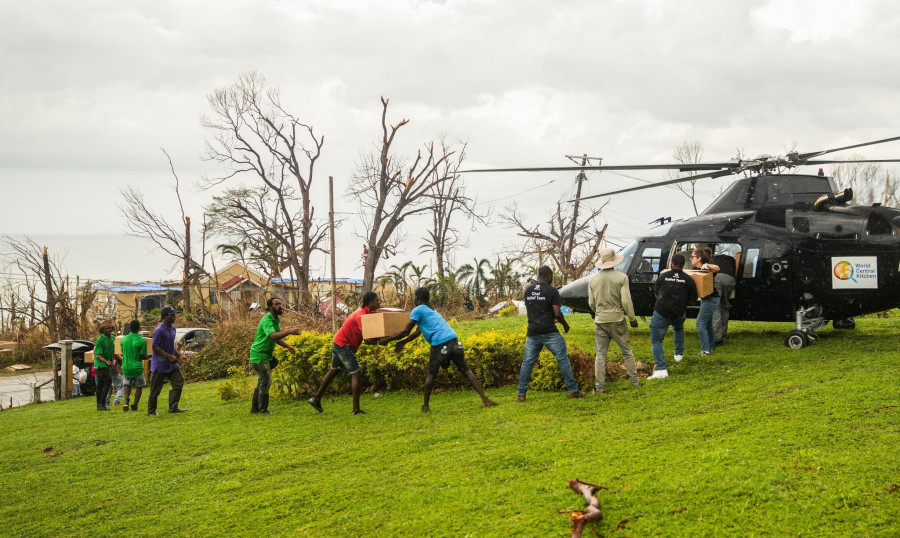
Over the past week, I’ve heard it in conversations, read it in messages, and felt it in my own body: the heaviness.
I feel sad and angry at the same time. The sadness lingers, as the anger rises inside without warning. The heartbreak sits in my chest when I think about Jamaica, the land of my ancestors, being destroyed beyond recognition. It's now so different from my past pictures and memories - unrecognizable.
If you’ve found yourself feeling the same way and asking, “Why am I so emotional about this?”, know you are not alone.
We are sharing a collective community grief.
For many of us in the Jamaican diaspora (and across the Caribbean region), Hurricane Melissa is not just another storm on the news; it is deeply personal. This storm completely disrupted our sense of self and ways of being.
Even if we are not physically there, our hearts are connected to the land, to our families, to our history and our legacy. I have binge-watched videos of flooded homes, uprooted trees, washed-out roads and people thankful to be alive while standing among the debris of their belongings; and each time I felt the ache of helplessness knowing our people endured the devastation firsthand.
This is collective grief, a shared emotional response to loss and devastation that impacts a community we identify with.
Collective grief is a grief that transcends geography. It lives in our DNA where our bodies remember the hurt, pain and trauma, and our nervous system reacts in efforts to keep us safe. Our hearts hold the stories of generations that have survived hurricanes, displacement, enslavement and colonial legacies that made recovery harder than it should be.
All of this becomes activated in a shared collective grief.
And as with any grief, the process unfolds in stages, each one revealing something about our pain, our resilience, and our connection to home.