“My grandma has become obsessed with some old soul AI, Aretha Franklin, Donny Hathaway-style artists. She was so excited to tell me and I was like grandma—none of these are real people.”
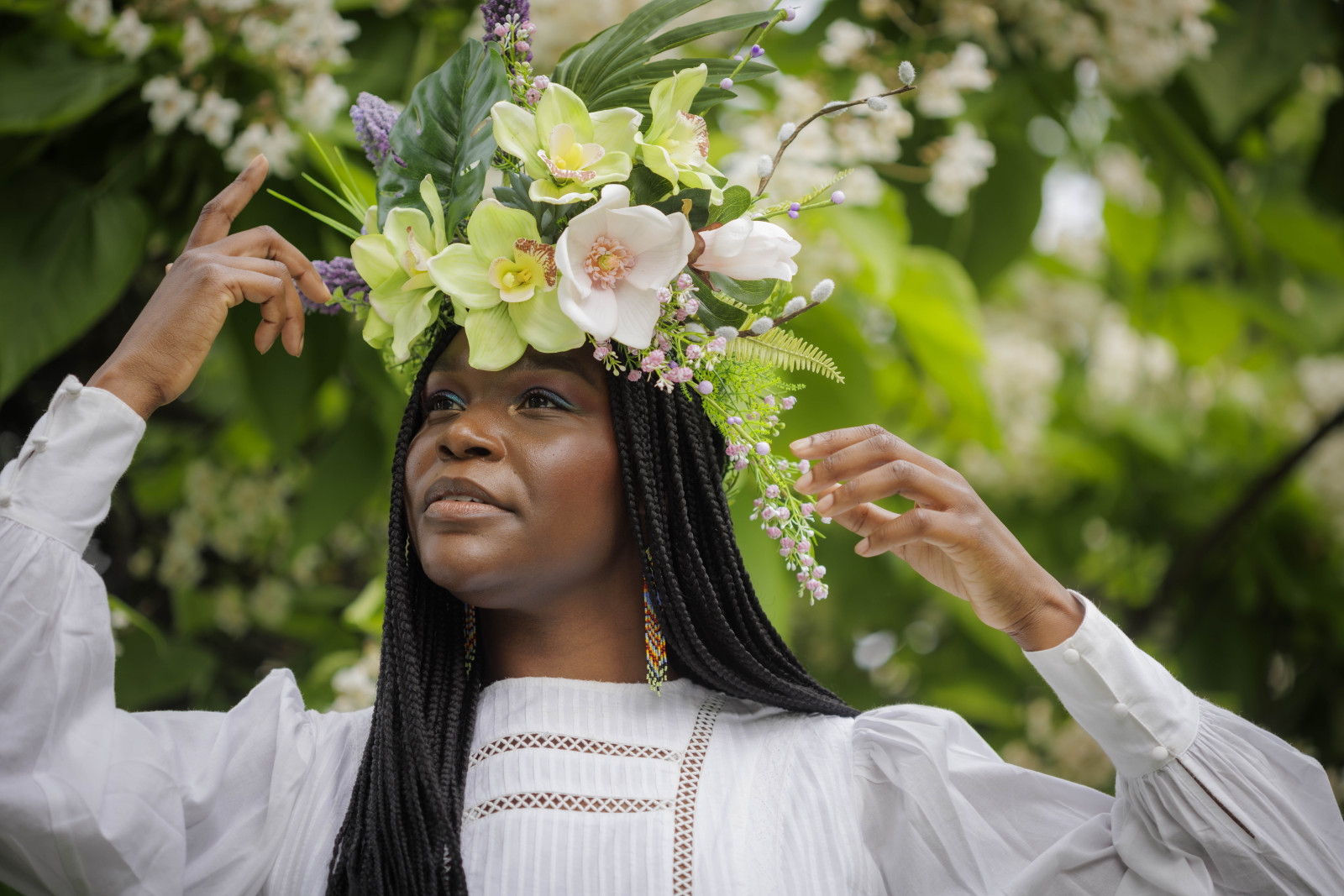
Two-time Juno award-winning singer-songwriter Lala Noel never saw this coming. A few years ago, if you'd told her she'd one day break her grandmother's heart with the news that her new favourite artist wasn't a real person, she'd have assumed you were pitching a movie.
Today it's as routine as the headlines gen AI drums up every week:
AI copycats of Canadian novels surface on Amazon.
Edmonton-born rapper finds 129 of his songs in datasets used to train AI.
Xania Monet becomes the first AI "musician" to chart on Billboard.
Canada launches its first national AI strategy with no mention of copyright protection for artists.
While many artists across Canada are watching AI closely, Black artists have more reasons for concern. More than half of Black Canadian professionals already report discrimination at work and feel their skills are undervalued, according to a 2023 Future Skills Report. So swapping out Black creatives with AI alternatives only gives this country, with its long anti-Black history, another excuse to undervalue their art.
To dig more salt into the wound, gen AI models have been criticized for getting their mojo from Black creatives themselves. Outside of Canada, Black artists like SZA have called out how gen AI disproportionately trains on the “best and brightest Black minds.”
Training on Black art means you can replace real Black artists with passable knockoffs and generate all the writing, artwork, music, and audiovisual content you need for free. No hungry artist waiting for a check on the other side. That’s what AI companies are already discovering with “Black-inspired” AI soul, gospel, and RnB acts.
“It’s kind of a modern day minstrel scene in a lot of ways,” says Lala Noel. To her jazz-trained ears, AI creations are “formulaic [and] characterized imitations of the real thing. It’s like white people trying to interpret what they believe a Black person would say or do or believe.”