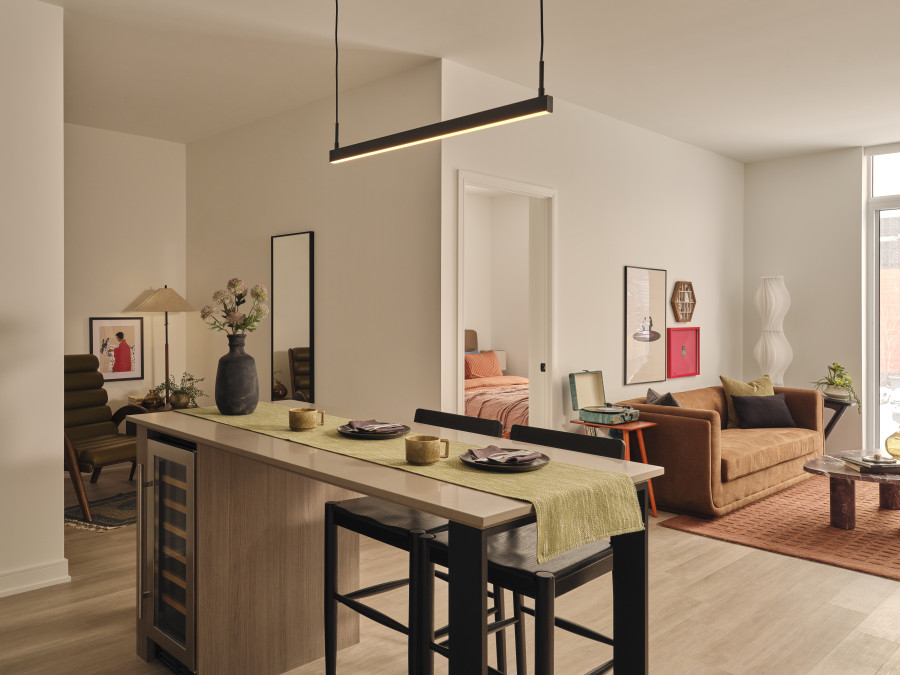
Blackhurst Cultural Centre has secured 12 affordable rental units for Black creatives at Cherry House in Canary Landing. The real question isn’t whether it works. It’s whether Toronto will invest in more affordable units for artists, before the Black culture that shaped this city disappears.
Tika Simone left Toronto because she couldn’t afford to stay.
A Canadian Academy Award-winning composer. A woman who put Daniel Caesar on his first stage at 16. Who built Known Unknown, one of the city’s most important music showcases from nothing. Who helped make Toronto’s underground culture possible for nearly a decade. In 2018, she packed up and moved to Montreal. Not because opportunity called her there. Because Toronto’s unaffordable rent pushed her out.
“Stable housing isn’t just an address,” Simone says now, from Montreal, where she’s studying art innovation at the Global Leaders Institute. “It’s the ability to exhale. It’s the difference between making work to survive and making work to last.”
She’s not the only one who left. She’s not even close.
Across the GTA, Black creatives are leaving, and when they go, they don’t just take their canvases, beats, and scripts with them. They take the informal mentorship networks, late-night studio critiques, and kitchen table collaborations that turn neighbourhoods into scenes and scenes into movements.
While the Black population in the Greater Toronto Area (GTA) has grown in total numbers over the last 30 years, data indicate that the Black population in the City of Toronto specifically has begun to shrink, with significant displacement and migration to suburban regions (like Ajax and Brampton) driven by high costs and gentrification.