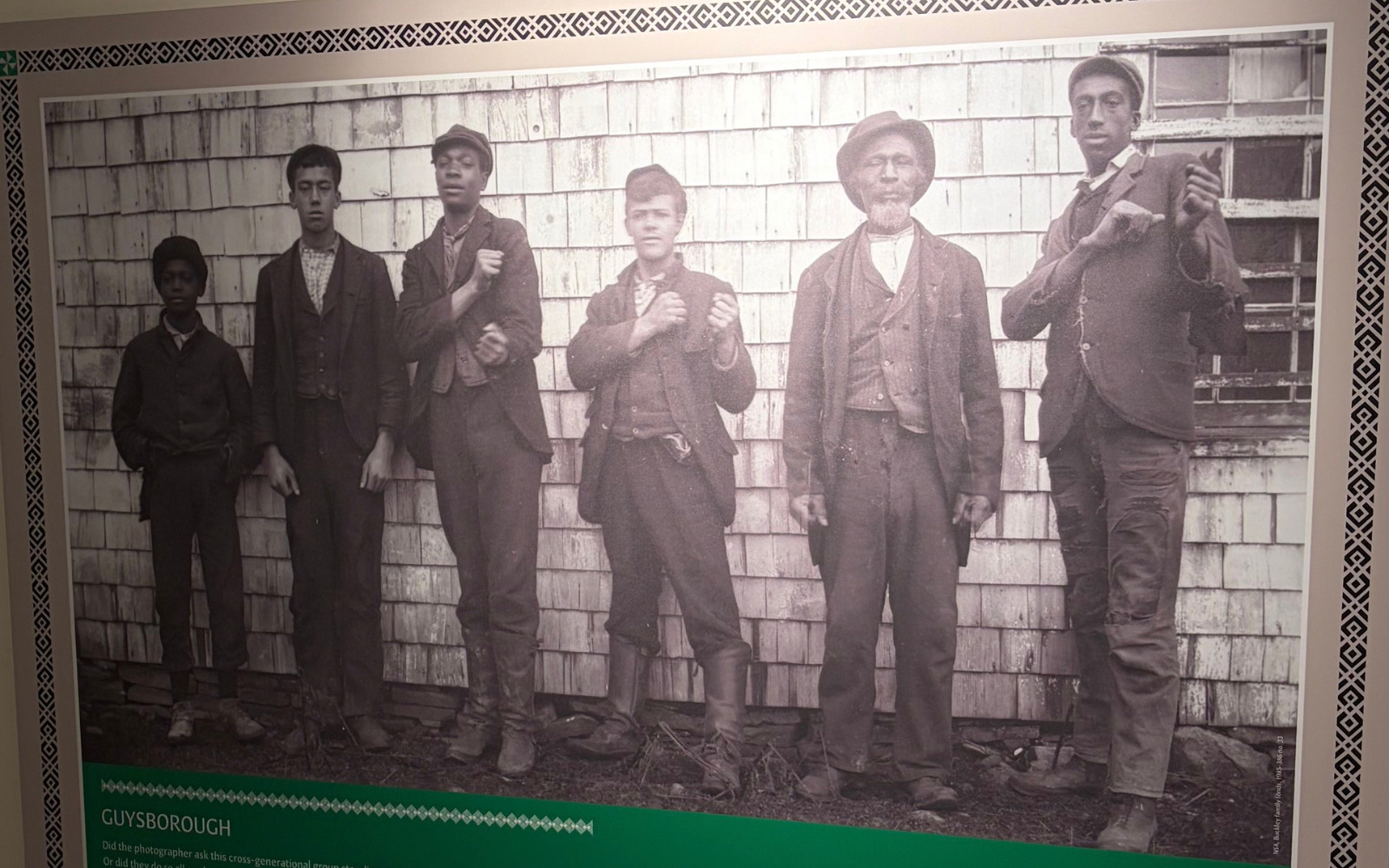
Often times when I tell someone I’m African Nova Scotian, they ask, “Where in Africa?”
Before the conversation can continue, I’ve been given the task of explaining what it means to be Black and Nova Scotian.
What it means to be historically Black and Canadian.
What should be an ordinary exchange requires me to supply a history missing from someone else’s understanding of Canada. I’m angry at how comfortably that ignorance persists, and at how much is expected of us in explaining ourselves while so little is expected of others in learning about us.
It’s especially lonely to find myself making that explanation among other Black people, where a shared racial identity can create the impression that we already know one another. I can be recognized as Black and included in the name “Black Canadian” while the history and culture that make me African Nova Scotian remain largely unknown.
Making a home in Canada means entering a Black history already in progress, with communities, institutions, and struggles that deserve to be understood. African and Caribbean Canadians have a responsibility to learn about those histories as part of understanding the country they call home. If Black Canada is a shared identity, the work of understanding it must be shared as well.