 By
By And one truth that becomes crystal clear the moment you arrive at Chobe Game Lodge: Some journeys transform not just how you see the world but how you understand what's possible within it.
As I step off the solar-powered electric boat that glides silently up the Chobe River at sunset, I'm handed a can of sparkling water. "We'll use these for construction once you're finished," my guide explains with a smile. It's a small detail, but it perfectly encapsulates what makes this place extraordinary. Chobe Game Lodge isn't just Africa's first lodge with an all-female guiding team; it's a blueprint for how tourism can honour both people and planet.
The next morning, I wake unexpectedly to voices raised in song. I wander over to where I hear the praise and my camp host, Boi, gently takes my arm, inviting me to join the staff's morning devotional. We raise our voices together, clapping our hands in rhythm as the sun rises over the Chobe River. It's a moment of communion that sets the tone for everything that follows, a reminder that this place is built on community, not just commerce.
{https://www.instagram.com/p/DLCxPnus26w/?hl=en&img_index=1}
Breaking Barriers in the Bush
As recently as the early 2000s, women accounted for such a small percentage of safari guides across Africa that no one even bothered counting. The guiding profession wasn't just male-dominated; it was considered exclusively male territory. Safari operators believed women couldn't handle the physical demands, the heavy vehicles, the strenuous walks, the firearms. They were wrong.
In 2005, Botswana's Chobe Game Lodge had just two female guides out of twelve. By 2010, they had assembled Africa's first all-female guiding team, the Chobe Angels, as they're now known. Today, that team has grown to nearly twenty women who navigate the bush with a combination of expertise, intuition, and an infectious passion for their work.
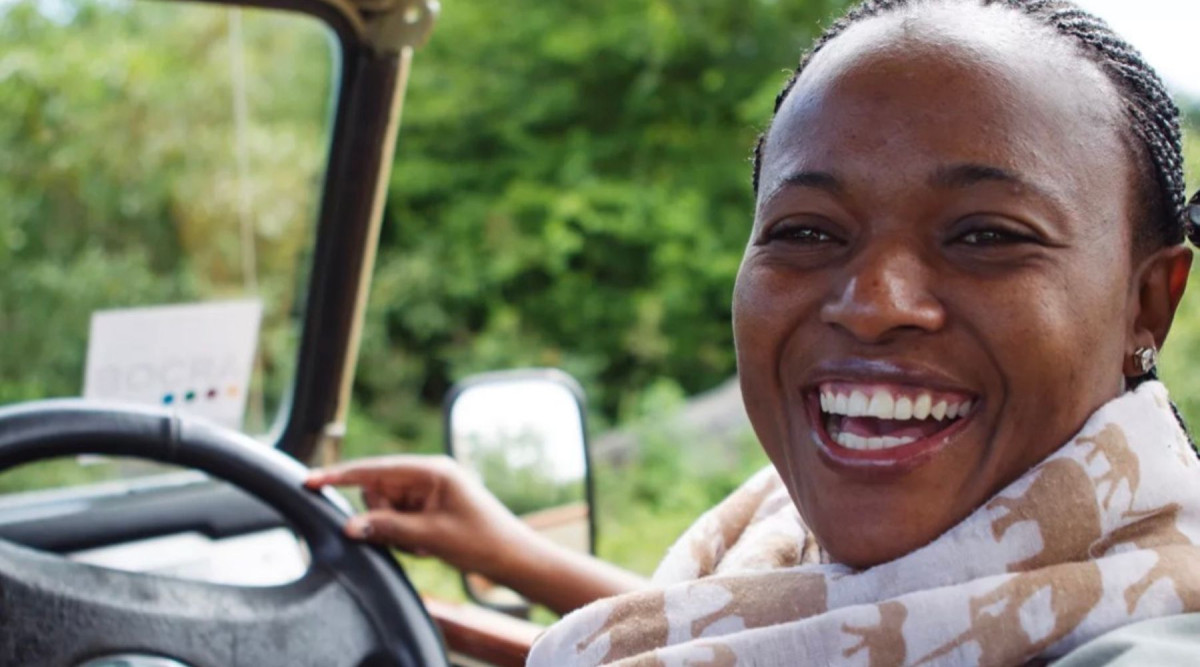
"Guiding is not just about driving into the bush to see big game," says Tshepiso ‘Vivian’ Diphupu, the lodge's environmental educator, as we meet beside the Chobe River. A herd of African bush elephants, including a floppy-eared toddler, descends slowly to the water for their daily bath. "We are protectors of the eco-system."
Diphupu's own story is remarkable. She was one of just six women accepted among 20,000 applicants to the Botswana Wildlife Training Institute. Before becoming the lodge's environmental educator, she worked at Disneyland's Africa Pavilion, a testament to how far her expertise and passion have carried her. Now she's part of a movement that's rewriting the narrative for African women in tourism.
When I ask her directly why women guides excel at this work, her answer is beautifully straightforward: "We are better communicators. We take care of our equipment. We are very sensible."
The lodge's director discovered that female guides were saving the company money for many reasons. They put less wear and tear on the vehicles, they created a supportive working environment and perhaps most importantly, guest feedback consistently ranked the women's performance above their male predecessors. The Chobe Angels weren't just breaking gender barriers; they were setting new standards for excellence.
A Golden Decade for Change
Botswana made significant strides during what the World Bank calls a ‘golden decade’ for women's rights worldwide in the 2000s, led by sub-Saharan Africa. The country passed laws giving married women the right to own land and launched initiatives to boost women's economic participation. Unfortunately, gender equality indicators still lag behind neighbouring countries, making initiatives like the Chobe Angels not just inspiring but essential.
Johan Bruwer, who became general manager in 2004, estimates that of the 70-80 female guides now working in Botswana, 55 have worked at the lodge. This ripple effect extends beyond borders. Lodges in Zambia and Kenya now exchange information with Chobe Game Lodge's team. "You wouldn't believe it, on my Facebook I get all these messages asking, 'What do I do if I want to be a guide?'" Diphupu shares.
The Angels support families back home, often travelling twelve hours to reach their villages. They balance motherhood with careers, relying on partners, parents, and siblings to care for their children while they're guiding. More than 65% of all staff members at Chobe Game Lodge are women, a statistic that speaks to systemic change, not tokenism.
Where Green Meets Luxury
The commitment to sustainability at Chobe Game Lodge goes far beyond feel-good gestures. In 2014, they launched Africa's first electric-powered safaris, pioneering technology that was still in its infancy. Today, the lodge operates four electric safari boats (three fully solar-powered) and multiple electric vehicles, all charged by 600 square meters of rooftop solar panels.
The silence transforms the experience. As we glide across the river in the electric boat, hippos barely stir. Elephants continue their morning rituals, undisturbed. There's no diesel rumble to drown out bird calls or the splash of a crocodile sliding into the water.
Behind the scenes, the operation is equally impressive. The lodge processes approximately 60,000 litres of grey water daily through an above-ground treatment plant, using it for irrigation. Glass bottles are crushed on-site and transformed into bricks for construction. Cans become building materials. Even the 250-meter boardwalk is built from recycled timber-plastic decking.
In 2012, Chobe Game Lodge was among the first ten properties to receive the highest ecotourism certification in Botswana. But they didn't stop there. The lodge continues investing in biogas plants, waste management systems, and training programs, all while maintaining five-star luxury standards.
{https://www.instagram.com/p/DKeXZuSMv7X/?hl=en&img_index=1}
A Model Worth Following
As we drive through the park in our whisper-quiet electric vehicles, passing the solar panels that power the lodge, I think about the intersection of progress happening here. The Chobe Angels aren't just guides; they're educators, conservationists, and pioneers. They're mothers and daughters who've chosen careers that keep them away from home for extended periods because they believe in the work. They support their families while protecting the environment that sustains them all.
This is what sustainable tourism looks like when it's done right, when it considers not just the environmental footprint but the human one; When it creates opportunities for women in male-dominated fields; When it treats local communities as partners, not props; When it proves that luxury and responsibility aren't opposing forces, but complementary ones.
Three days of travel to get here? Absolutely worth it.
The Chobe Angels and the vision they represent aren't just changing safari tourism, they're charting a course for what conscientious travel can become.