 By
By Opera had already chosen her. As a young Black Caribbean-Canadian woman, she would eventually have to prove she belonged — and carry both the pressure to succeed and the weight of representation.
The early signs were there before she had language for them. Growing up, her mother played classical music throughout the house constantly. On the bus, what sounded like screaming turned out to be her daughter matching pitches from songs on the radio. By two years old, she was singing in the apartment, note for note, in a genre she didn't yet know had a name.
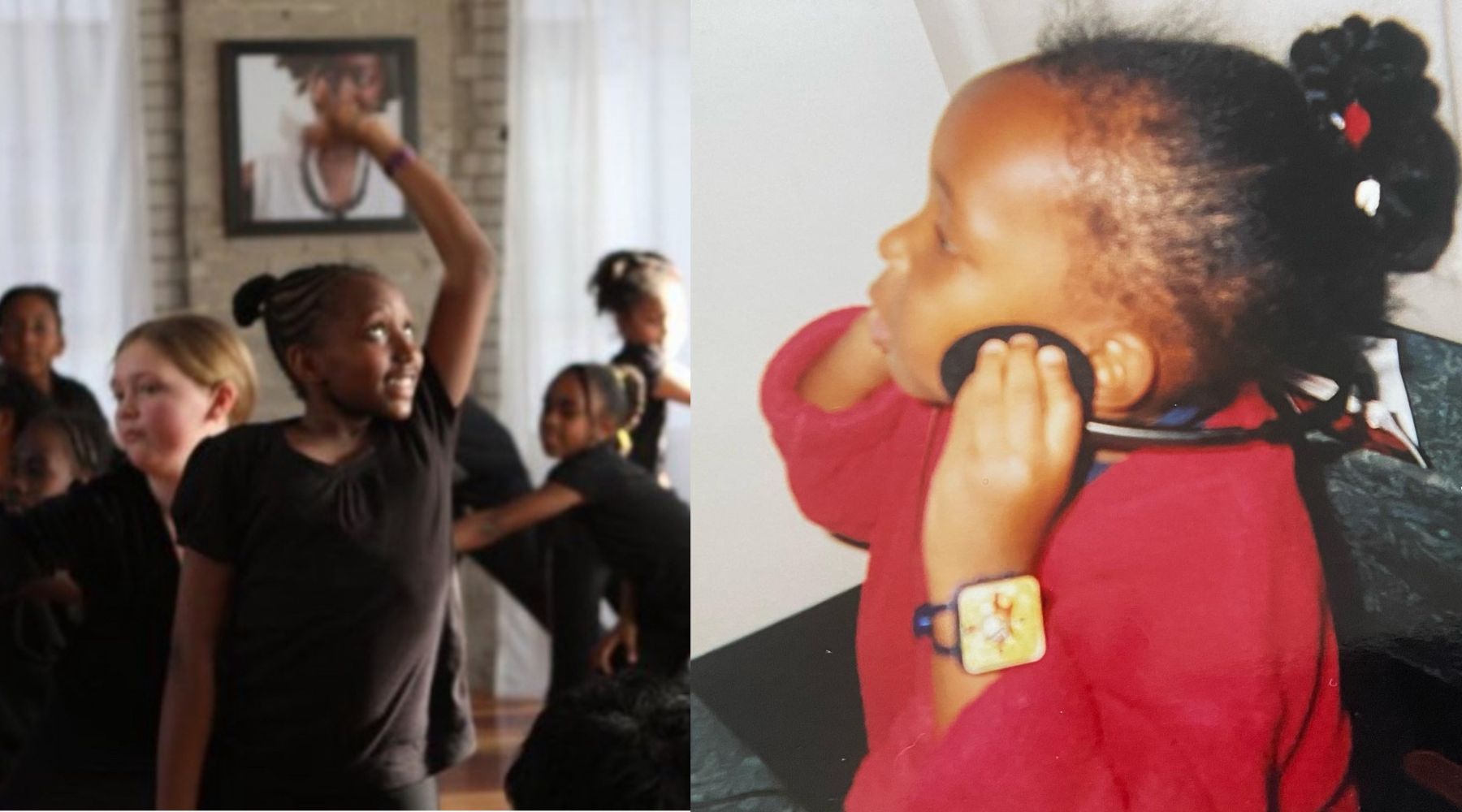
She spent years trying to be something else. Gospel didn't stick. She attempted to belt like Beyoncé and Jennifer Hudson and couldn't pull it off. The voice she had didn't work that way. It was at 11, during a trip to Kingston, Jamaica, that a vocal coach told her the truth plainly: she could sing, she was just singing the wrong material. Her voice was built for opera and classical music. She started performing in a language she didn't understand — and somehow, it felt like coming home.
While Smith chose not to pursue formal training in opera, she says, "Theatre and opera have always been a big part of my story. It's where I learned that being different was a strength and not a weakness."
{https://www.instagram.com/reel/DIpCsSrxK83/}
In 2022, she took her shot at Canada's Got Talent, taking a day off her job in insurance to film in Niagara Falls — a 20-hour stretch from 5 a.m. to 1 a.m. the following morning. Howie Mandel made remarks about seeing a young Black woman step up to perform opera. Even alluding to the fact that he wasn't a total fan of the art, and that a woman as young and beautiful as Smith could be doing something more fun. Smith took it in stride, said it was all love, and kept every note of feedback from the judges as she moved forward.
Her rise has come with navigating an industry where Black women are still underrepresented. And instead of shrinking to fit the traditional image of opera, she leaned harder into who she already was — a girl with a love for classical music and a sense of humour about all of it.
That humour is exactly what broke the internet.
In early 2025, Smith posted a TikTok that took off the way nobody fully plans for. Set to the operatic "Flower Duet" from Lakmé — one of classical music's most recognisable pieces — she performed it as a "royal crash out," layering the drama of high opera over the Gen Z language of completely losing it. The juxtaposition landed. Opera sung with full technical precision, framed around the internet's favourite feeling of barely holding things together. It cleared 917,000 likes on TikTok alone. On Instagram, her videos collectively crossed 20 million views. SZA reposted one to her story. Smith called the moment a "happy accident." Her career trajectory, though, has been anything but.
{https://www.instagram.com/reel/DIeVfN_swzH/}
Smith traces it back to her teens. "I remember feeling extremely disconnected from the roles I would play because I had a soprano voice and a Black body," she says. "I would always sing the repertoire of the young damsel in distress but I felt completely alienated from that experience because I knew that as a Black child no one was coming to my rescue. Nobody saw my innocence or even my childhood."
That disconnection had real consequences. There was a period where she was technically singing but not truly performing — because she couldn't embody the truth of the role. That realisation led her to step away from a formal opera education and pivot toward pop music. "I wanted to always remain connected to my body, my experience and my voice."
The barriers facing Black opera singers in Canada don't start at the audition room. They start at the page. "You have to start at the story," Smith says. "Who is writing the operas or the musicals with Black bodies and experiences in mind? Opera, which is ultimately acting, uses the body's vocabulary to tell a character's truth. So if the character was never meant to look or sound like us, Black actors then have the added task of feeding imagination to the casting directors while being the best person for the role."
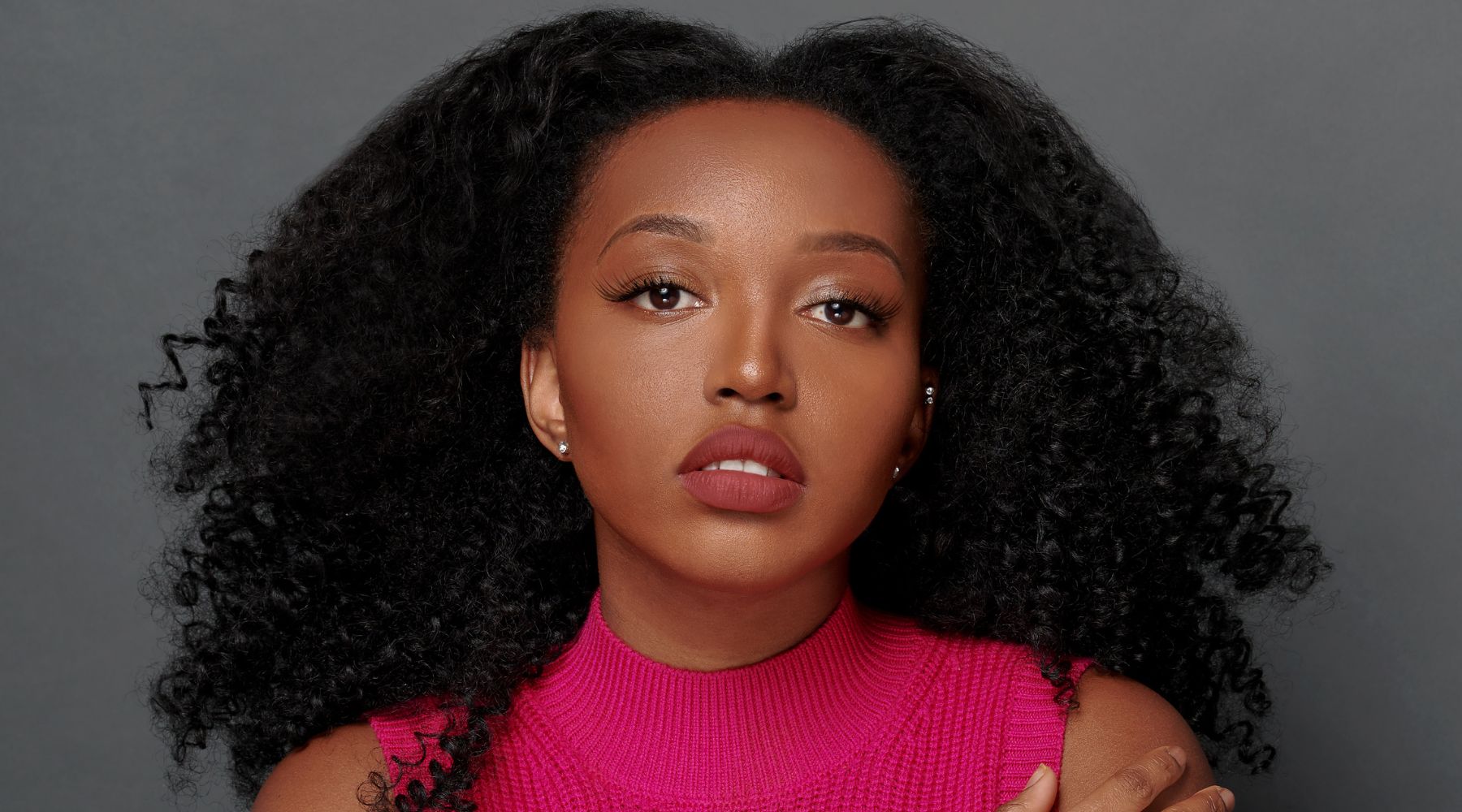
Belonging in two spaces at once — the Black community and the opera world — carries a specific kind of weight. "When so few of us are making ground, there is an incredible amount of pressure to positively represent both communities. Mediocrity in either lane is just not an option," Smith says. "But I'm learning to hold space for the woman that I am, both in and outside of those communities. It has really helped to ground me in times where I feel the urge to mask or hide."
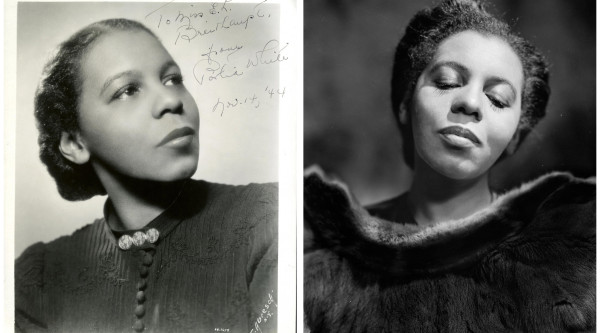
Smith draws a direct line between her own career and the Black women who came before her in Canadian classical music. Portia White — the first Black Canadian concert singer, who started singing in her father's choir at six and faced rejection from peers because of her race and gender — has always been an inspiration. "To say she moved the needle is an understatement," Smith says.
She also names Measha Brueggergosman-Lee. "She laid important groundwork for Black women in opera and classical music in Canada, especially within institutions that historically were not built for us. These women matter, their visibility matters, their excellence matters, and I think their careers expanded people's understanding of who belongs in these spaces. I believe that the fluidity of my journey in music was made easier because of them."
The industry is at a crossroads, and Smith doesn't shy away from naming the stakes plainly. "We're recognizing that change is needed, but we're not quite ready to flip everything on its head," she says. "Because if the goal is just preservation, the best way to achieve that is to change nothing and continue actively silencing Black voices. But if the goal is evolution, then we have to create new operas with different bodies and experiences in mind. Only then can we begin to provide education, casting and patronage appropriately."
This summer, Smith continues to expand her presence across Canadian musical theatre. She plays Maria Romanova in The House of Special Purpose, running June 3–6 at the Franco Boni Theatre in Toronto. She'll also reprise her role as American opera singer Jessye Norman in Coming Home: The Musical Play, running July 2–4 at The Guild in PEI.
Her music is streaming now on Spotify.
Photos by Ashley B Studios.