
 By
By We’ve all seen it. You go into a store, looking for home decor, and there’s a corner dedicated to ‘bohemian’ style. Maybe the pieces have obscure prints that evoke a tribal pattern, or they use fringe, wicker weaving, or styles that you know evoke African themes. A lot of these styles can be appropriative, problematic, or, honestly, just bad taste. September Collective was founded out of a need to make more readily accessible modern African home decor.
Leslie Rivers started September Collective while shopping for herself and saw the gap firsthand. “After moving into a new home, I wanted to furnish it with pieces that reflected my culture and my heritage, with objects that felt like an extension of who I am. Instead, I found myself navigating endless searches, international vendors, and complicated shipping arrangements. And once the items arrived, there would be unexpected customs fees and duties that had to be paid. The process was really time-consuming and expensive, and it was somewhat discouraging.”
Leslie knew she couldn’t be the only one experiencing this exhausting shopping process. After spending 30 years in a corporate career, Leslie used her frustrations to pursue her passion and start solving this problem. September Collective is a response and a platform dedicated to curating timeless, high-quality pieces that bridge the gap between heritage and modern living, available 365 days a year.
Because so many brands are only highlighted during Black History Month, Leslie wanted to know what happens after February has ended. “Too often these collections are just like small seasonal things,” she shares. “I believe that this particular model unintentionally reinforces the idea that Black design is just momentary. Our pieces are available year-round. We don't treat Black and African artistry as a seasonal spotlight. We treat it as a permanent contribution to how we live, design and curate our spaces.”

What September Collective does differently is share the artisans more prominently with the buyers. Leslie sources the designers herself from African countries, including South Africa, Ghana, Kenya, Nigeria and Uganda, as well as within the diaspora in Canada and the US. The artisans' stories are displayed on the website so clients know exactly who they are buying from, as she believes it’s important to develop a personal relationship with the vendors. She has stumbled across brands in the community and at art fairs.
{https://www.instagram.com/p/DT1F2p_D2MP/?img_index=1}
Leslie also works to source from ethical brands that pay their staff fair wages and make ethically made items.
September Collective sells items ranging from art, baskets, throws, books, kitchen tools, furniture, candles and more.
Leslie points to a systemic challenge: Black-owned brands often receive concentrated visibility during Black History Month, when interest in and spending on Black culture surge, rather than sustained year-round recognition.
When selling items, in person at pop-ups or her launch event, no matter who the buyer is she aims to show the items with an emphasis on quality, design integrity and how she would define a globally designed piece. “We don't frame these pieces as ethnic or as a novelty item. We frame them as enduring design objects with history and authorship. What I have found is that when people are invited to understand the story, not just consume the aesthetic, they engage more deeply and respectfully. The goal is not to translate the culture into something else, but to allow clients to participate in it through thoughtful collecting.”
She adds that consumers should recognize that design is not just aesthetic but a narrative, with the goal of understanding the item and respecting it. September Collective also steers away from using words like ‘boho’ or ‘bohemian’ as it erases the identity of the product or the artisan.
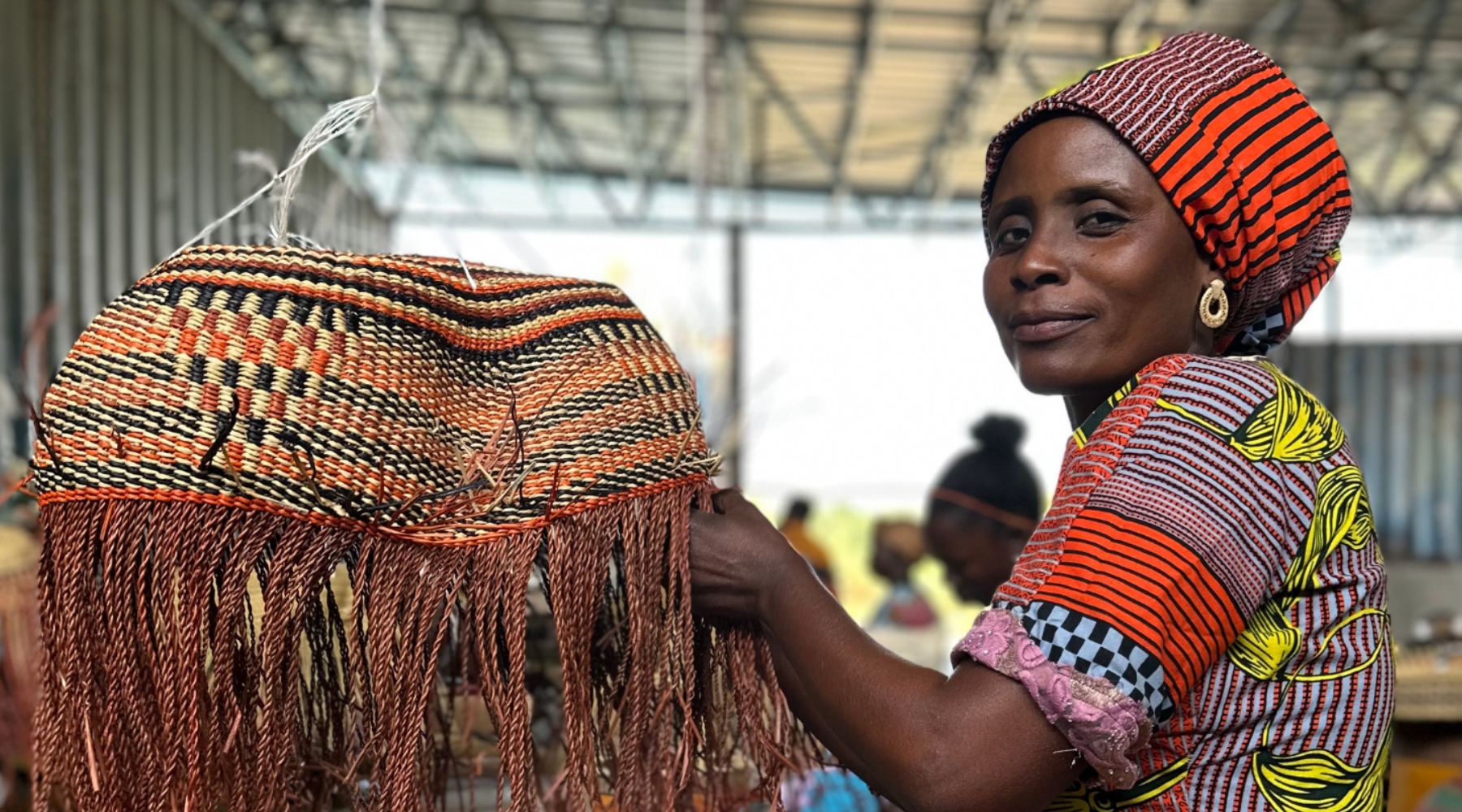 Baba Tree Basket Company in Ghana
One item for sale on September Collective, the book The African Decor Edit by Nasozi Kakembo, offers a guide to ethical sourcing. The guide includes a discussion of historical and cultural appropriation of African works, describing how this process has unfolded for centuries. It also provides an ethical framework to help buyers understand the importance of knowing your product’s origin, why it was made, and its purpose, and cultural connections. This guide is a large part of Leslie’s work within September Collective.
For those trying to navigate being ‘sellable’ and how buyers may perceive their brand as ‘heritage’ or ‘ethnic’, Leslie advises remembering that not every market is for them. “I think one of the hardest lessons that I've had to learn is accepting that growth does not always mean appealing to everyone. Trying to design for price or communicate in a way that satisfies every audience often leads to dilution, and you end up softening the very thing that made the brand.” Leslie adds that even September Collective isn’t meant to be universally accepted. “It was created to serve people who value story, craftsmanship, and the cultural context of what I'm selling.”
She adds that she recommends artists' prices for sustainability, not approval. “There is often pressure on Black-owned brands to lower prices in order to feel accessible or to gain entry into broader markets. From a pricing perspective, underpricing can undermine both the artisans you're representing and the business's longevity. I have learned that when pricing, you must account for the ethical sourcing, if you do the small batch production, if you're focused on providing the artisans with a living wage, which for me is so important. When you're pricing for the sustainability of your business, you're allowing the brand to operate with dignity and consistency.” She adds that high price points also signal that the items are not disposable goods but heirloom pieces to be passed down from generation to generation.
Leslie adds that when brands clearly define their audience, it’s easier to feel seen in what they create and to build loyalty. “Shopping is a form of currency,” Leslie adds. “When we choose to spend, or where we choose to spend, reflects what will be sustained. When we support artisans that have culturally rooted businesses, we're not just purchasing an object, we are helping keep skills alive, stories visible, and dollars circulating within our communities where we have historically been underrepresented.”
She adds that authenticity is also crucial because no one can replicate an artist's lived experience, culture or perspective, making it a competitive advantage.