 By
By So it was refreshing to see a new show with an all Black family - not focused on racism, but on universal struggles like grief and addiction. In Things Like These, on Fibe TV1, Blackness is never mentioned even though it is in the room.
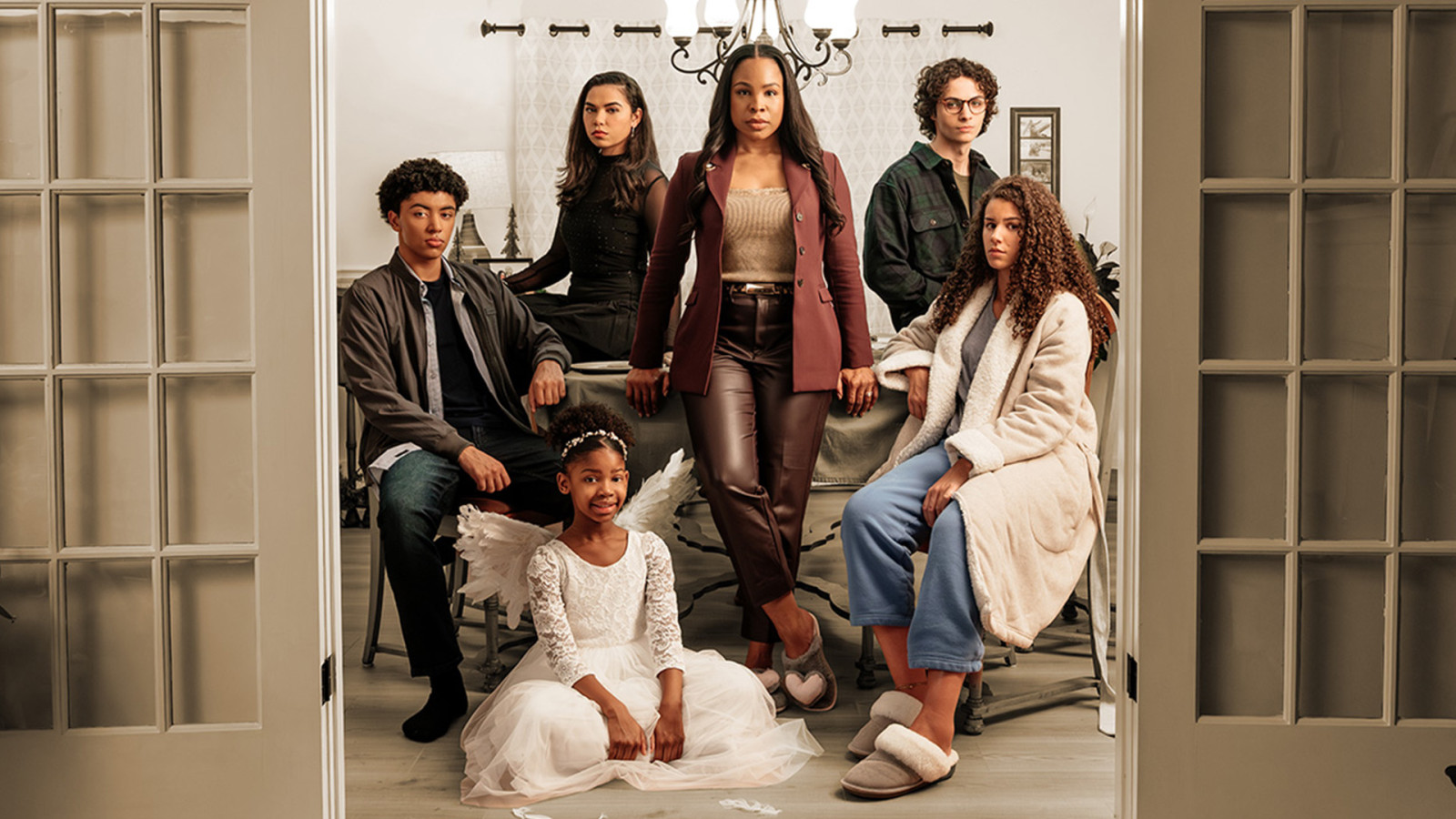
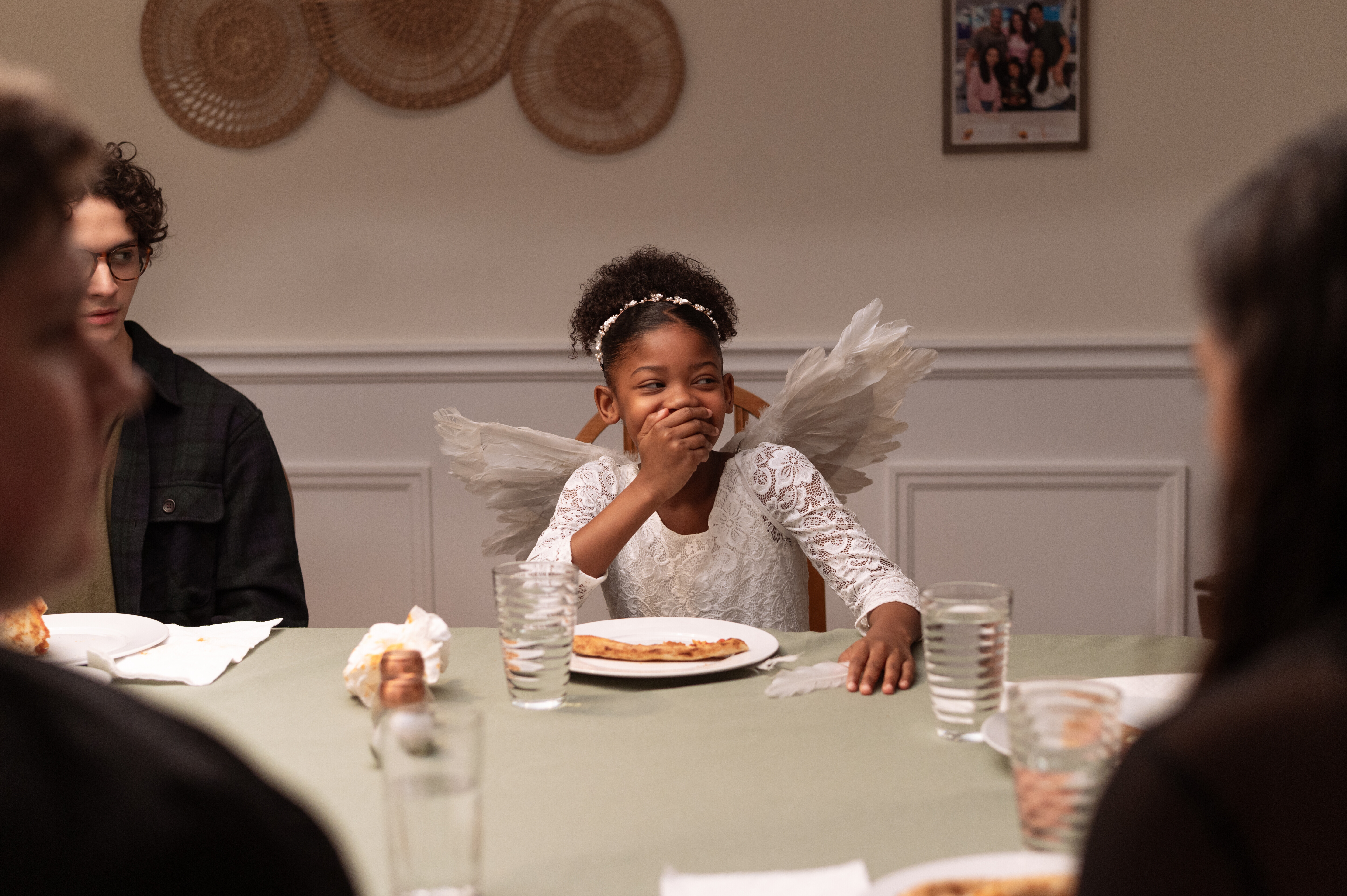
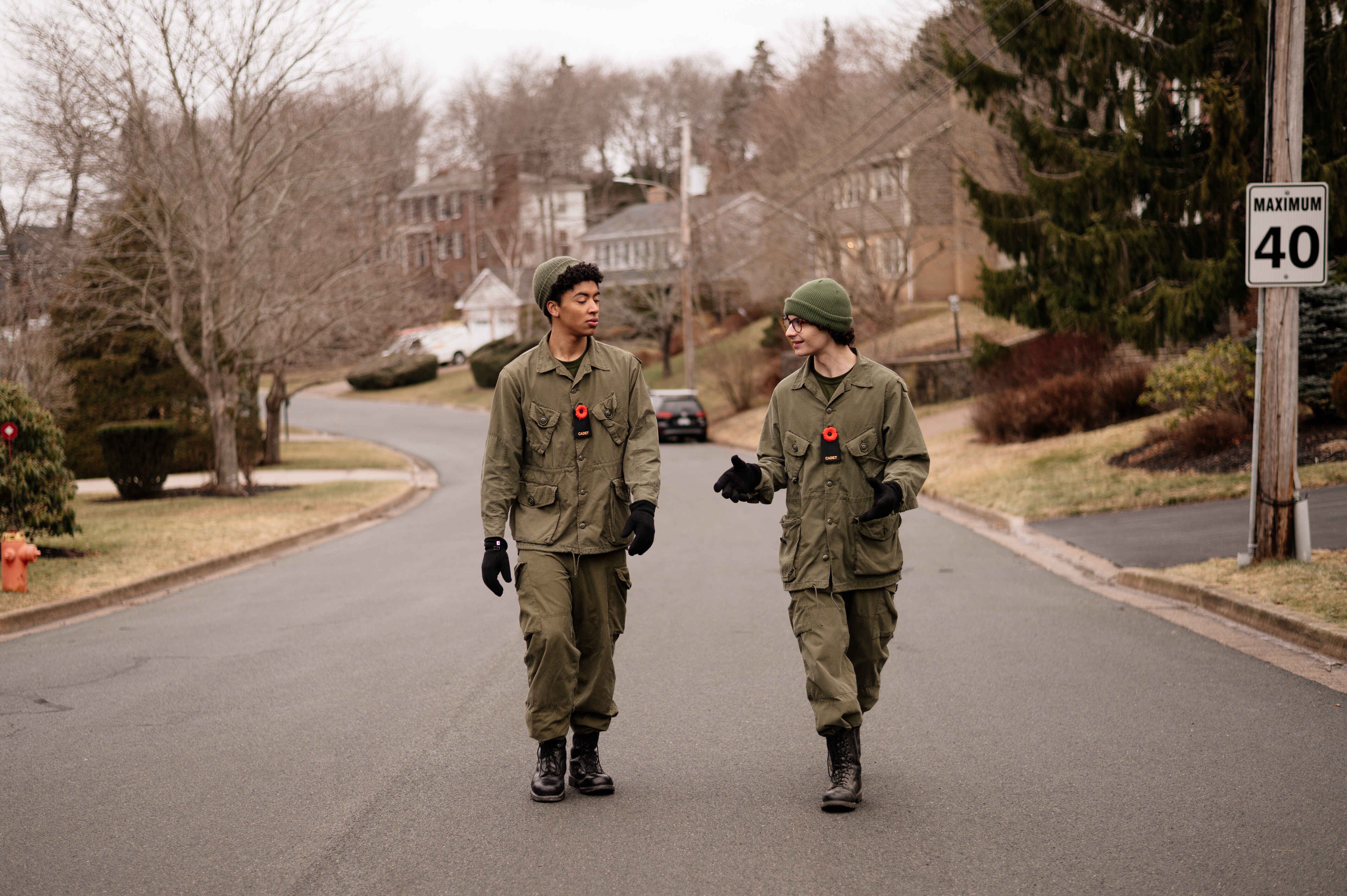
Things Like These, is a Halifax-based production created by Nikki Martin and directed by her sister Tobi Martin-Flemming. It's their first greenlit narrative TV series, described as a darkly comedic short-form drama series. The show focuses on a Black family in an affluent white neighbourhood navigating loss. After their military father dies, the mother and 4 children are left in shambles. The eldest daughter has become an alcoholic, the middle daughter is being bullied, the only son wants to follow in his father’s footsteps as he prepares to graduate high school, and the youngest daughter is escaping in a world of fantasy - going so far as to pretend she is a fairy to avoid her reality. The mother of the family, a real estate agent, is trying her best to hold the family together but is failing with no support system.
This story hits closer to home for the creative team than one might expect. For the creator, Martin, she used her experiences with substance abuse to create the eldest daughter Nolan. “Not everybody knows this, but when I was in my 20s, I did the bulk of my writing,” She shares. “I had this great big certainty that I was going to be a writer and a filmmaker and then it didn't really happen. It broke my heart and at the time I was an addict. I was a recovering drug user. I was still an alcoholic. When I was 26/27, I packed up my life and I hopped on a plane. I got a job teaching English in Spain. I was so excited and convinced that I was gonna go and write this next book and have this great big story. I got stuck at customs in London, had a pretty traumatic experience there, and was put on a plane and sent home.” This horrible experience left her certain she was a failure and put her in an extremely dark place where she refused to go out. This led to the development of Nolan.
It took 20 years for Martin to revisit the parts of her past that led to creating Nolan, and as her life changed and different experiences shaped her, they shaped the story she envisioned telling. She had a new perspective on divorced families, losing a father, watching various mothers in her life give their all to being the best version of themselves for their kids. This fresh perspective helped build the character of Veruca, played by actor Martina Kelades, who also owns Life Out Loud, a mental health consultancy agency.
Kelades says the story line immediately won her heart because the plot felt so real. Her background is in personal development counseling and she worked in social services for a decade before burning out and needing to step back. She put on a front on social media about the perfect life she was leading but it all caught up with her. While pausing her career, she spiraled into a deep depression because her job was her identity. Through therapy, working with a life coach and rekindling her faith, she found purpose in bringing mental health consultancy services to workplaces for leaders, hoping others could avoid the burn out she experienced.
While feeling open to new ideas, after starting this entrepreneurial journey, the pandemic led Kelades to do Medea-style skits on TikTok which is how she started doing commercial acting, leading to the show Diggstown and now Things Like These.
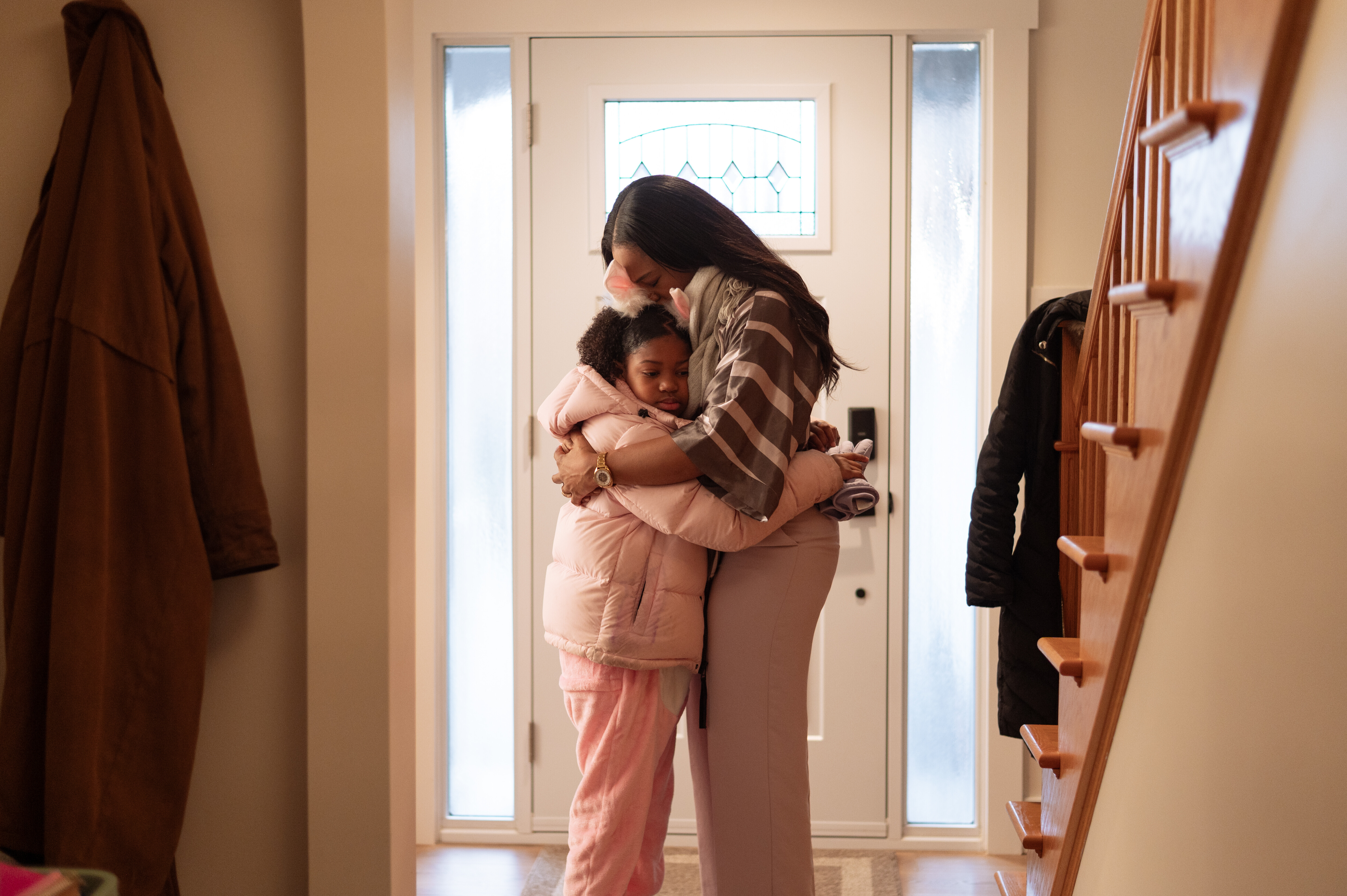
As Veruca, Kelades learned to act as a mother to these four children, but she understood the sentiment of trying to keep everything together when things are in fact a mess. “I really wanted to lean into my personal experience to keep it all together, protect my family, be there to provide support through their own grief and also navigate my own pain.” She adds, “You don't want to let your family down so I carried that with me, because I think shame really silences us, so I leaned into that a lot.”
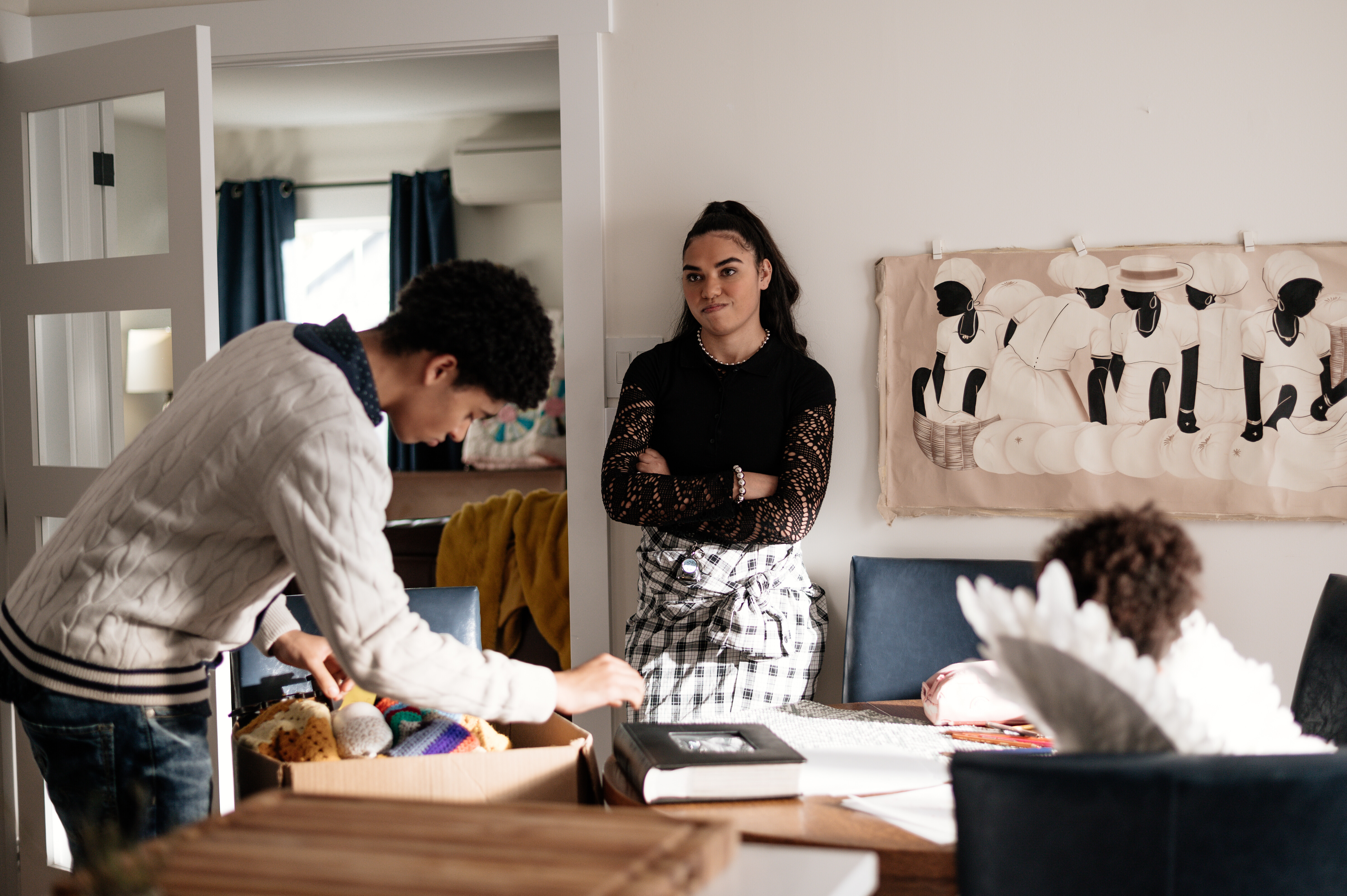
While playing Veruca, Kelades did feel the urge to have her character say things that, admittedly, Veruca would not have the skills to say. Her professional experience allowed her to understand the tension between Veruca and Nolan. Her mental health training gave her insight into conversations around suicide and learning how to navigate harder conversations delicately.
In her professional lens, Kelades also knows first hand why Black folks can be wary of professional help, especially when the therapist doesn’t share their identity. “Anecdotally, I've heard clients say, ‘I received help before and they don't understand’.”
She adds, “My family is from North Preston, Nova Scotia which is home to Canada's largest Black Indigenous community. (North Preston's Black community dates back to the late 1700s, and many families there can trace their roots in Nova Scotia back generations, which is why Kelades describes it as an Indigenous Black community.) I’ve worked with a lot of individuals from the community and we have limited resources. Resources that have a cultural lens to support different communities are almost nonexistent. It's getting a little bit better. We have different organizations now who are focused more on Black mental health in the community. There's generational pain and trauma that has been carried forward over the years, so it's not just surface work.”
For Martin, it was also important that the characters exist in their Blackness without racial trauma being added to the narrative. “When I think about the whole world that these characters live in, and when I know their histories and stories, I know that they suffer racism.” She adds that certain elements of their back story can be deduced through what we know is true as Black people, like what the father’s experience might have been as a Black man in the army, or why it was important for Veruca to have a nice house in a white affluent neighbourhood. Martin didn’t feel these needed to be explained but hoped the audience would sense how these truths add to each character’s complexity.
“You are a Black family in an affluent neighbourhood. Oftentimes those neighbourhoods are predominantly white. How do you have to show up in order to still survive in this environment? How does the father, the husband being in the military and fighting for a country that oftentimes makes Black people feel like they don't deserve to be here, impact your perception of Blackness, perception of white supremacy, perception of the world? How are the different coping mechanisms that you've used rooted in different forms of racial trauma or the regular existence of trying to survive as a Black person?”
It was also important for Martin and her sister to avoid tokenization and refused to have the cast feel dehumanized. Part of the choice to avoid racial tropes, the use of the N word, or any stereotypical negatively racist storylines comes from wanting an acting space rooted in joy, while allowing the actors to feel human and explore pain, grief, bitterness, jealousy without thinking about carrying the weight of a racist storyline.
Simone Saunders is a Calgary based therapist and registered social worker who runs The Cognitive Corner counselling. In August she released her book Where Do You Feel That In Your Body? Saunders specializes in understanding trauma, the nervous system and looking at support through culturally responsive lenses. “The different aspects of your identity really make a difference in how much access you have to regulation and the different emotions or sensations that you might feel safe with,” Saunders shares. “My book really explores the psychoeducational lens of your nervous system and what happens during trauma when you're triggered but on a deeper level it really looks at the reader's identity and asks you to break it down and really understand your identity’s impact on your life experiences.”
Saunders agrees with Kelades’ assessment that the Black community can be hesitant to seek support. “Amongst the Black community I think the concept of rest is something that is challenging, and so there's always this sense of having to just go on and on, especially for Black women. I also think that the natural expression of sadness can sometimes be restricted, and so I think that can be a really difficult emotion. There is often this expectation of keeping it together and self-suppression, which is one of the studies I talk about in my book.”
In Saunders’ opinion, Things Like These accurately depicts how families navigate grief and does a great job at sharing how Black people experience what other families experience. “I think the difference is that it's often not shown on screens.” She adds, “You also might often find in Black or multicultural families that there's a sense of keeping things within the family. Even if there is addiction or any of those coping mechanisms present, it's something that is kept under wraps, and so there isn't that perception. Shows that display some of those coping tools can be helpful in the sense of displaying that these are things that Black people also struggle with and it's okay to struggle with that and to get help.” She adds that there is an unfortunate silent normalization that Black people don't have these issues, but this can create even more shame and more isolation.
Kelades hopes the Black community sees humanity in Things Like These and that it helps change the narrative around Black mental health. Every episode ends with resources listed so anyone watching can reach out for support, which Kelades appreciates. Saunders adds that her starting point to support a relative going through grief is through curiosity.
“Specifically curiosity about the coping mechanism. How is that coping mechanism keeping you safe right now? That gentle inquiry can give you a lot of information, right? Whether that is the addiction or the substance use or the continuously working or the fantasies, it's serving some sort of purpose, and I think that's something that is often forgotten. One of the things that I noticed was a level of understanding for clients of the symptoms that they're experiencing, but there wasn't translation into moments where they were triggered and actually needed to use those coping tools. Somatic therapy uses a different entry point into understanding your experiences and moving some of the coping tools that you're practicing into a longer form memory that allows you to access it when you're triggered, which essentially is your ability to withstand emotions and sensations.”
If you or someone you know is struggling with grief, substance use or thoughts of suicide, you can call or text 9-8-8 any time of day for free, confidential support.